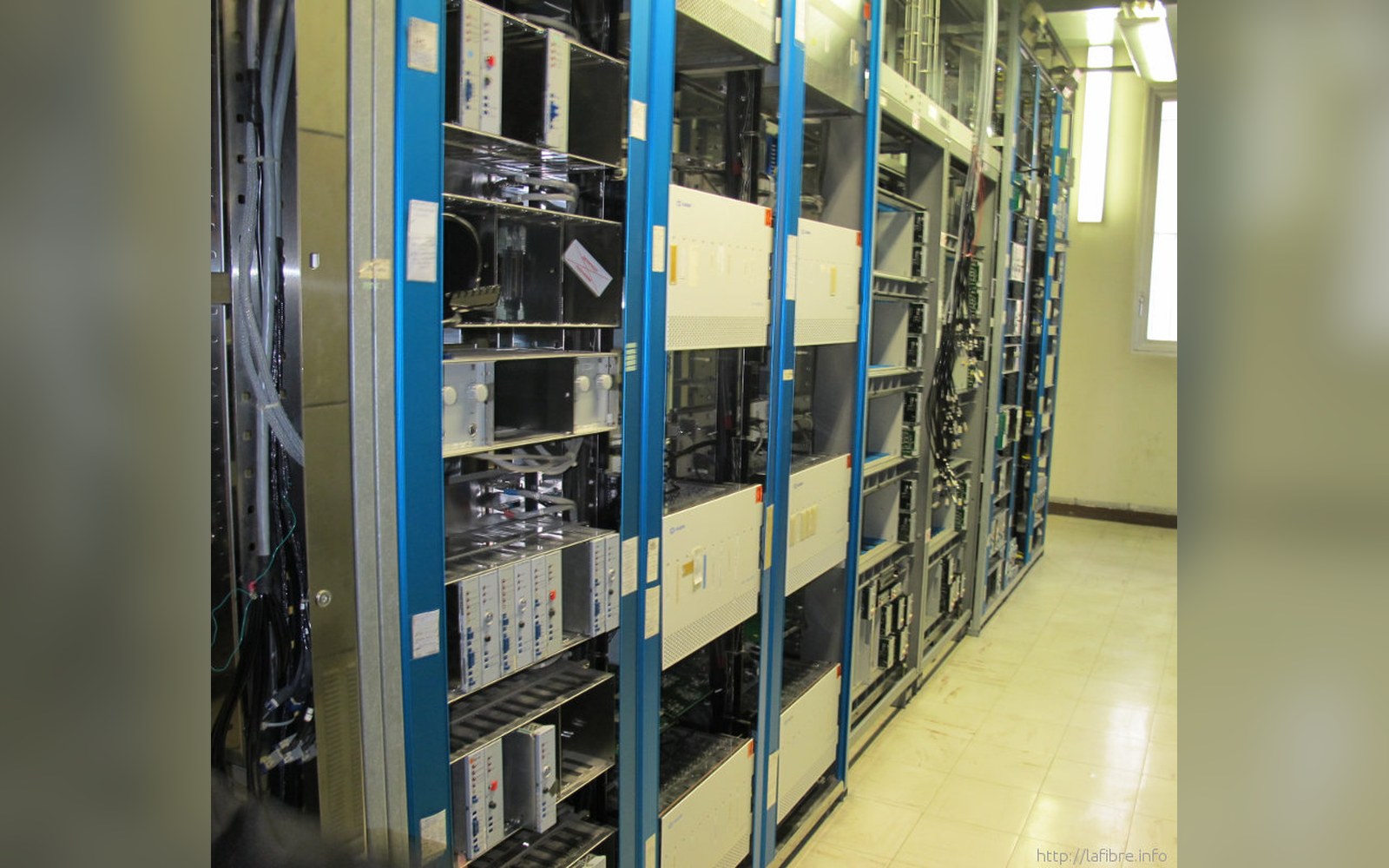
The end of the copper offer
In October 2020, AT&T quietly stopped accepting new DSL orders. No ceremony, no sunset campaign — the product simply disappeared from the order flow. Existing subscribers could keep service until their address migrated to something else or until the company chose to cease maintenance, but the technology was no longer on offer to anyone calling in for the first time. For a network that had been building and operating copper-based broadband since the mid-1990s, it was a consequential change, even if the press release was thin.
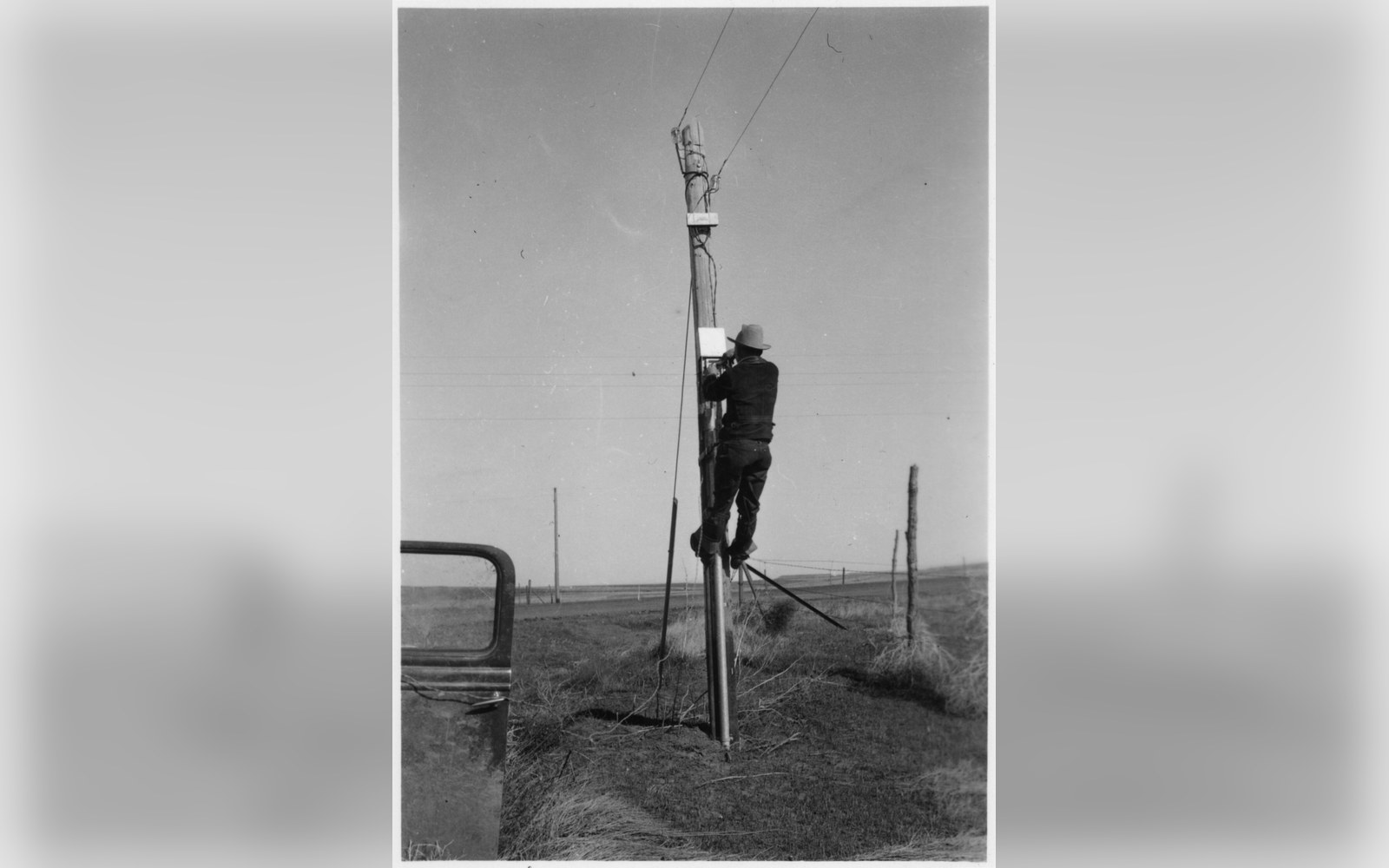
DSL — Digital Subscriber Line — runs broadband signals over the same twisted-pair copper that carried voice telephone calls for most of the twentieth century. Its ceiling was always physical: the signal degrades with distance, so a subscriber two miles from the central office gets a fraction of what one two blocks away receives. AT&T's U-verse product, which it began deploying around 2006, used a hybrid approach called VDSL2 combined with fiber-fed neighborhood nodes, shortening the copper run and pushing downstream speeds up to 75 Mbps in favorable conditions. But even that had limits, and it required ongoing node maintenance on an aging plant that was, loop by loop, generating diminishing returns.
Chronology
- Mid-1990sAT&T and predecessors begin deploying DSL on copper pairs
- ~2006U-verse VDSL2 with fiber-fed nodes begins deployment
- October 2020AT&T stops accepting new DSL orders
- 2021Infrastructure Investment and Jobs Act funds NTIA BEAD program; FCC broadband fabric work begins
- OngoingState-by-state copper voice discontinuance filings, uneven pace
The FCC's Form 477 data from before the cut-off showed AT&T's copper footprint as a patchwork: dense in legacy urban markets where it had formerly held franchise monopolies, thin in rural areas it had never seriously pursued, and overlapping with its own fiber in growing suburban corridors. That patchwork did not retire uniformly when October 2020 arrived. It just stopped growing.
What the plant already had determined what came next
The replacement for any given address inside AT&T's territory is not a policy decision — it is an inventory decision. Two different physical plants are doing the work copper once covered, and some addresses have neither, and they serve distinct geographies.
Fiber to the premises is the clearest replacement. AT&T has been building its AT&T Fiber product under the GPON standard — Gigabit Passive Optical Network — which runs a single strand of glass from a central office or optical line terminal to a splitter, then out to individual homes without any active electronics in between. A single upstream fiber is shared among as many as 32 or 64 end-points depending on split ratio, which is why the provisioned speeds are symmetrical in theory but actual throughput can vary under load. In markets where AT&T had already run fiber along the street — either in new subdivisions or in corridors it prioritized for GPON deployment before 2020 — the transition was relatively clean: a technician drops a fiber laterally from the distribution point to the home, and the copper pair is abandoned in the conduit. Loudoun County, Virginia, one of the fastest-growing counties in the United States during the 2010s, received significant AT&T Fiber deployment because the construction boom meant new subdivisions were being served with glass from the outset. Copper was never the default there.
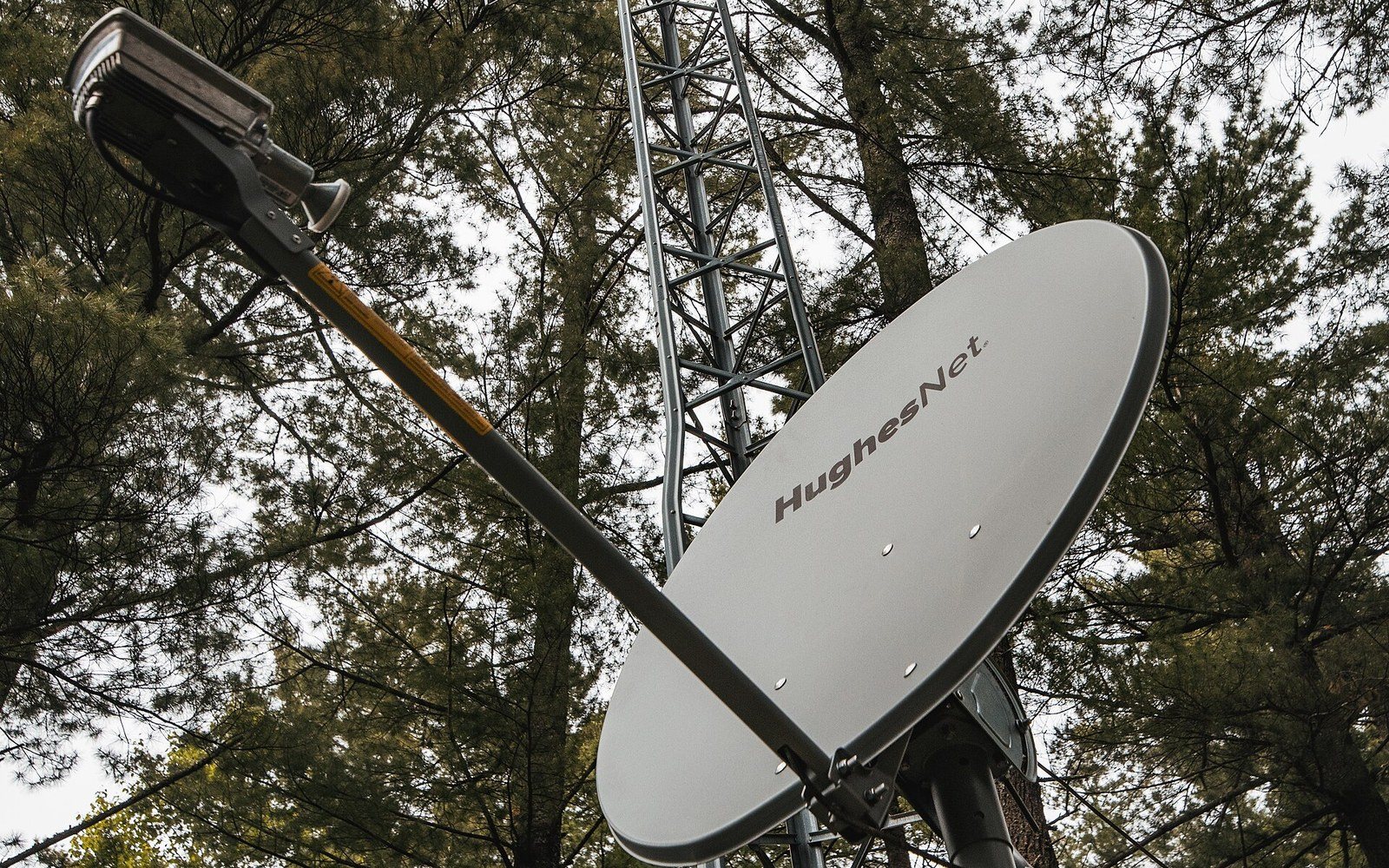
Fixed wireless fills some of the gap in areas where fiber has not arrived and where AT&T holds spectrum. This is a different last-mile plant entirely: a radio link from a cell site or dedicated tower to an antenna on the home, using licensed spectrum rather than a physical strand. AT&T's fixed wireless product uses the same towers and spectrum it operates for mobile service, which means coverage is wherever those towers already reach and capacity is shared with mobile subscribers — a constraint that matters for congestion. As discussed in the context of fixed wireless and orbital systems, the physics of a radio link trading convenience for shared capacity is not new, and the cell-site model has the same fundamental tension.
| Copper / DSL / VDSL2 | legacy plant, signal degrades with loop length, no longer sold to new customers |
| GPON fiber | passive optical, symmetrical in design, 32–64-way passive split, replacing copper in built-out corridors |
| Fixed wireless | shared licensed spectrum off cell towers, coverage and capacity constrained by mobile load |
| "Nothing" | addresses with no replacement plant, stranded by the DSL cut-off |
Nothing is the third outcome, and it applies to a meaningful share of addresses. Where AT&T's copper ran to a rural location that has no fiber in the ground nearby and no cell tower within usable signal range, the DSL cut-off simply left new customers at those addresses without an AT&T option. Some of those addresses appear in coverage maps as served — because the old Form 477 census-block rule counted a block as covered if any single location within it could receive service — which means the gap between claimed coverage and connectable locations has been real and documented for years. The FCC's transition to a location-by-location broadband fabric, funded under the Infrastructure Investment and Jobs Act of 2021 and administered through the NTIA's Broadband, Equity, Access, and Deployment program, was designed in part to surface exactly these orphaned addresses.
The uneven retirement in practice
Copper retirement is not a single event. AT&T has, since the DSL cut-off, been filing with state regulators in various jurisdictions to discontinue copper voice service — a separate regulatory act from simply stopping DSL sales — and the pace varies by state. Where state commissions have required a replacement service at equivalent or better quality before copper is formally abandoned, the process slows. Where they have not, the copper is left to degrade passively, which is its own form of service withdrawal: fewer technicians are trained on it, replacement parts become scarce, and mean time to repair lengthens. A subscriber still on DSL in a market where AT&T is not dispatching copper technicians aggressively will notice the difference in outage duration before they notice anything on a speed test.
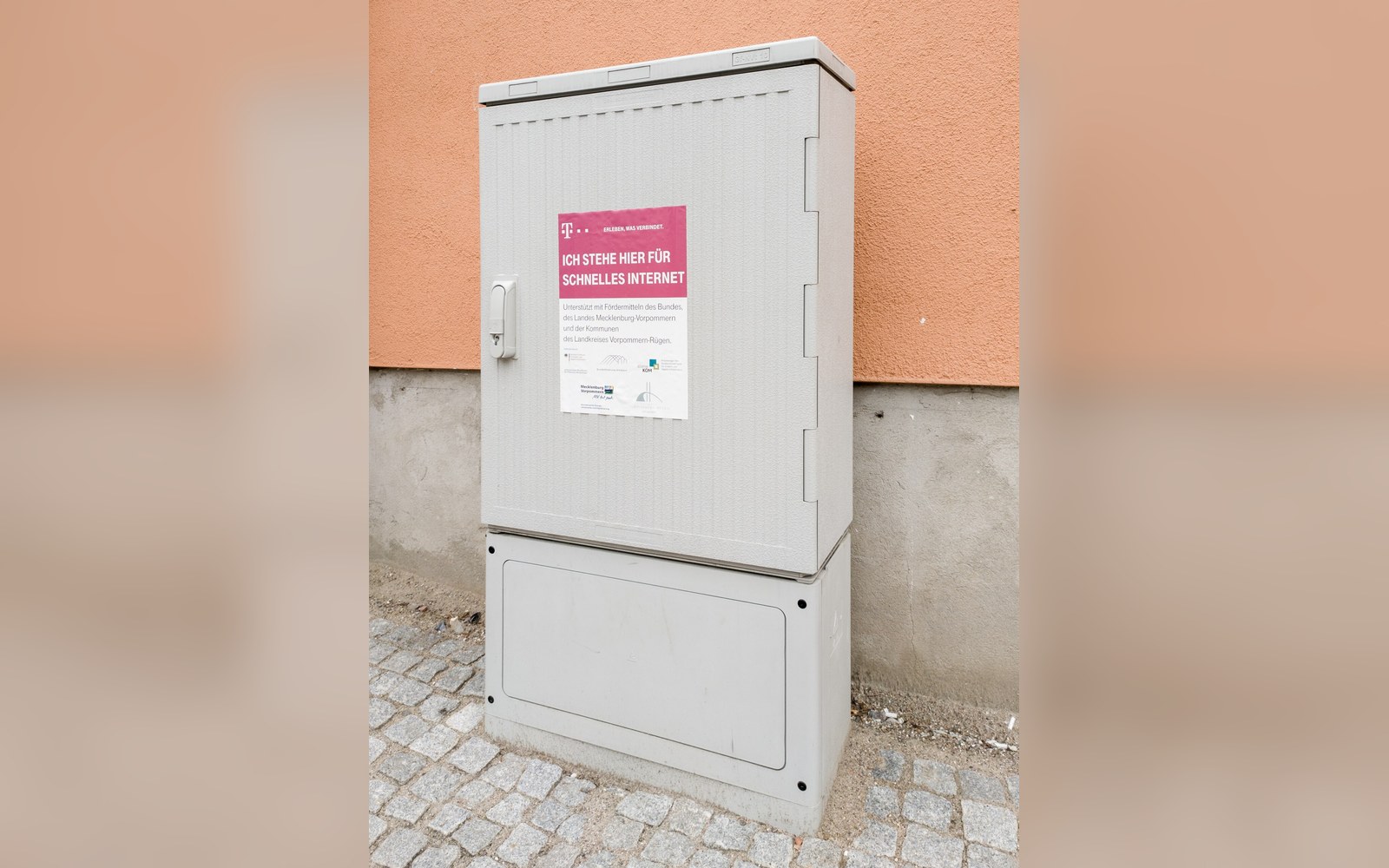
The economic logic is straightforward. A copper loop requires physical maintenance — corrosion, moisture ingress, failing splices — and the revenue per line has been falling for two decades as subscribers who can leave for cable or fiber do so. AT&T's own capital allocation shifted measurably toward fiber after 2018, and the company has publicly stated construction targets for fiber home passings. Whether those targets are met and in what sequence determines which addresses get glass and which get a radio link or nothing. The company's fiber buildout is concentrated in markets where housing density makes the cost per home passed manageable — typically closer to the headend, where fiber distribution plant is already nearby, than in the sparse edge of the service territory.
The result for the subscriber is that the copper era did not end on a fixed date. It ended address by address, governed by what fiber had already been threaded through the conduit, how close a tower was, and whether the cost arithmetic of a new drop could be justified. For the engineer reading the plant maps, the DSL cut-off in October 2020 marks not the retirement of copper but the moment AT&T stopped adding new addresses to a plant it had already decided to let run down.