The envelope that fits in one cell
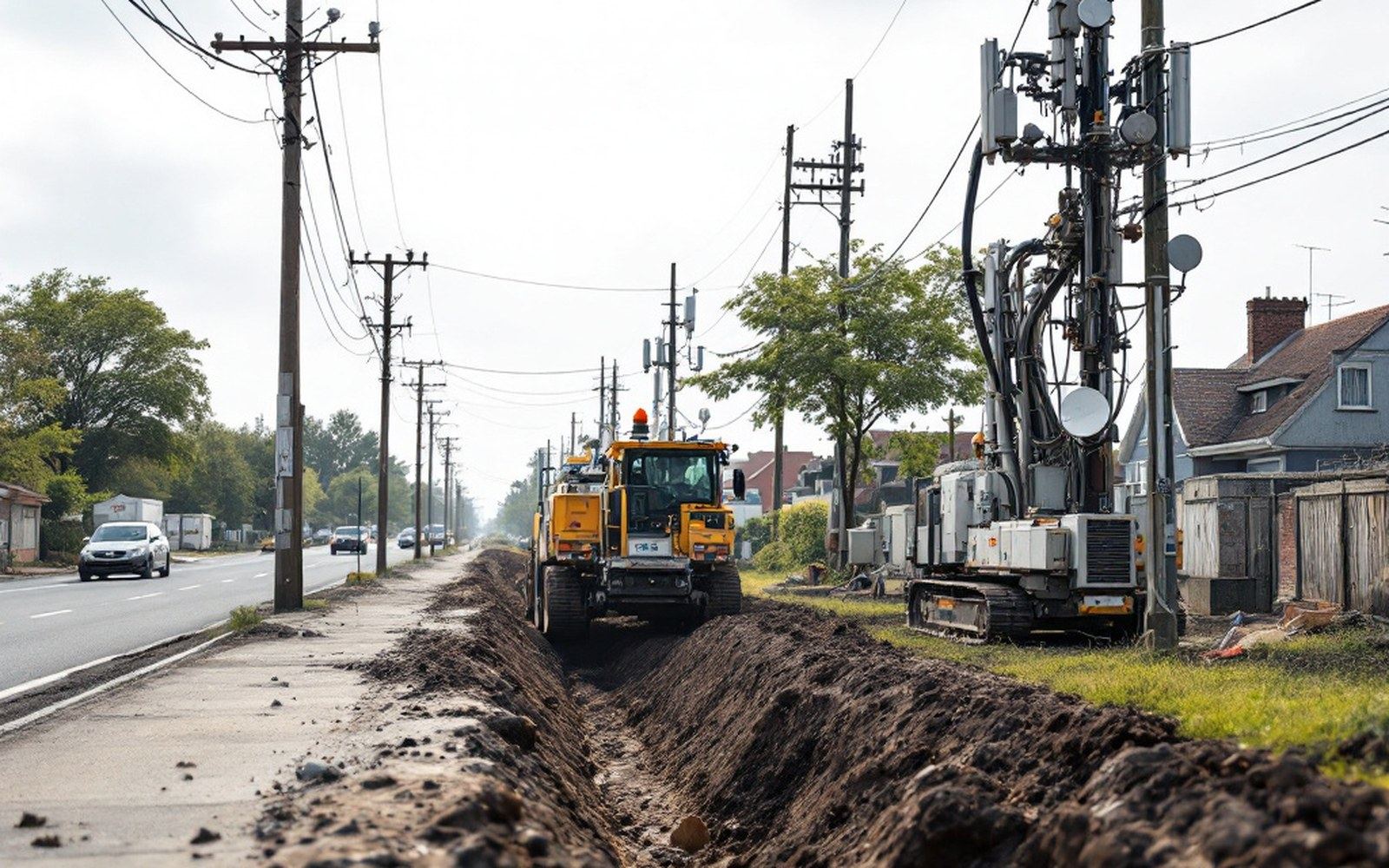
Cost per home passed is the single figure that turns a municipal feasibility study from optimism into arithmetic. It is not the cost to connect a subscriber; it is the cost to pull fiber close enough that a connection could be made — every structure a technician could actually reach without a new permit or a new trench. That distinction matters because a network earns revenue only from subscribers who sign up, but it must service debt on every passing whether anyone connects or not.
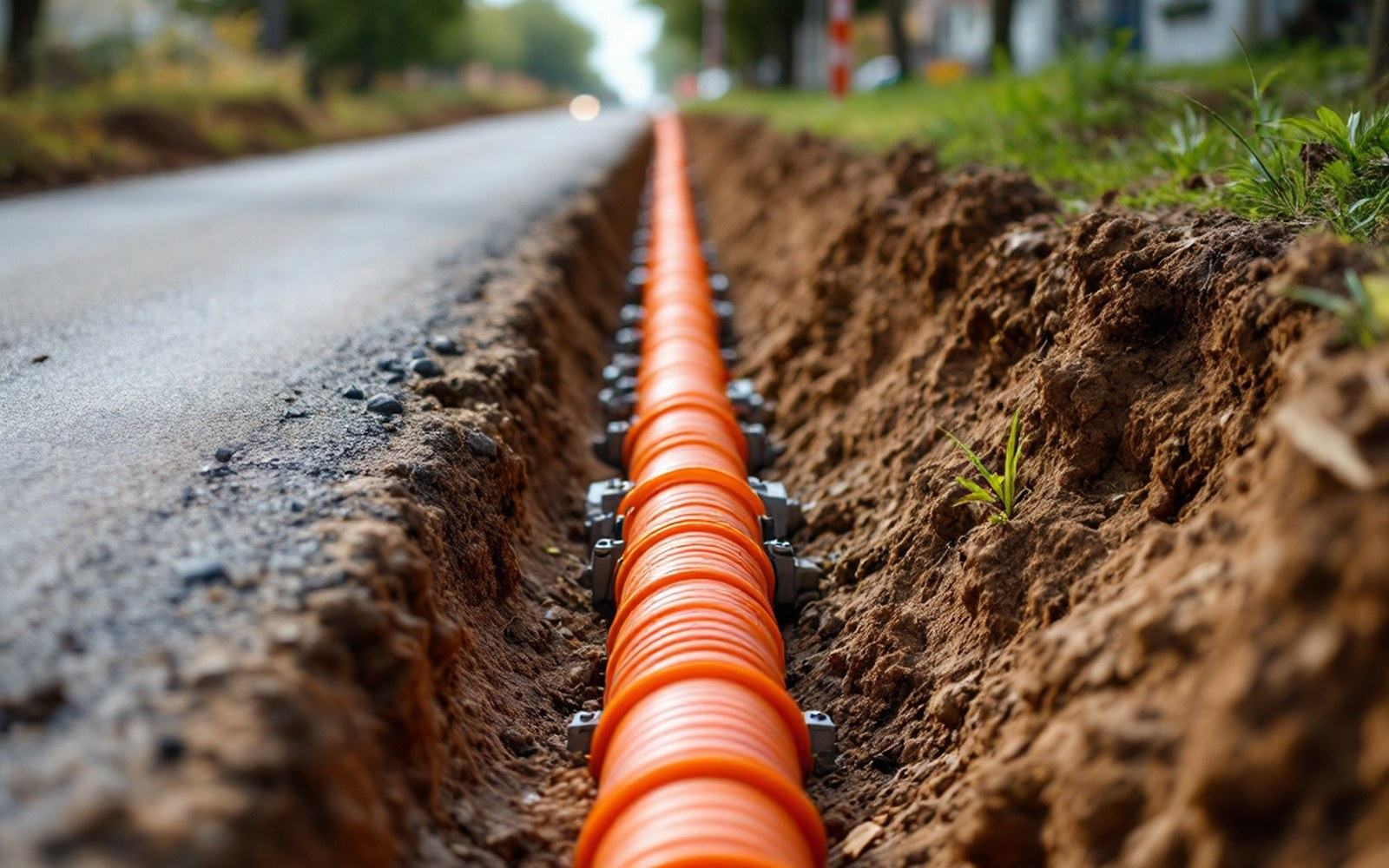
The range is brutal. In a dense urban grid — row houses, alleys, underground conduit already in place — a fiber build can pass a home for somewhere between $500 and $1,000. In a rural county where properties sit a quarter-mile apart and the nearest strand of middle-mile fiber is an hour's drive away, the same metric can reach $5,000 to $10,000 or more, and some mountain communities have seen estimates above $20,000 per location. The NTIA's own analysis of Broadband Equity, Access, and Deployment program cost estimates places rural per-location costs firmly in the thousands, not the hundreds.
What drives the number
Density is the dominant variable. Fiber run is a cost; homes passed per foot of run is revenue potential. A suburban street with eight houses per hundred feet of trench yields a fundamentally different equation than a rural road with one house per quarter-mile. Municipal engineers typically model this as strand miles per subscriber, and when that ratio climbs past a certain threshold the project can no longer service debt from subscription revenue alone, regardless of take rate.
Key figures
Make-ready on pole attachments: typically 20–30% of pole-attachment budget
Terrain and soil are the second driver. Boring under rock costs more than trenching through clay, and directional drilling under a creek or a state highway triggers permits, flagging crews, and restoration requirements that can add tens of thousands of dollars to a single crossing. Loudoun County, Virginia — fast-growing, partly rural, with a mix of karst terrain and dense new subdivisions — illustrates the gradient within a single jurisdiction: the eastern data-center corridor is cheap to pass; the western piedmont is not.
Conduit and pole availability is the third. A municipality that already owns conduit — laid decades ago for traffic signals or utilities — can pull fiber for a fraction of the cost of a project that must bore fresh. Similarly, a build that lashes fiber to existing utility poles avoids underground costs almost entirely, though make-ready work (rearranging existing attachments to meet clearance rules) can consume 20 to 30 percent of the pole-attachment budget before a single reel is unspooled.
Chronology
- October 2020AT&T ceased DSL new-customer sales, accelerating municipal interest in owned fiber
- 2021Infrastructure Investment and Jobs Act created the BEAD program under NTIA
- 2023States began submitting BEAD initial proposals to NTIA, setting out how they would weigh per-location costs
Middle-mile access closes the equation. A last-mile network that must also fund a long backhaul to reach an exchange point pays twice. Rural electric cooperatives that already own poles and rights of way and sit near existing fiber routes start with a structural cost advantage that a greenfield municipal project in the same county may lack entirely.
Why take rate doesn't fix a bad cost structure
A common error in municipal pro formas is to assume that a high take rate — 60 or 70 percent of passings becoming subscribers — rescues a high per-passing cost. It helps, but only up to a point. At $8,000 per passing and a 70 percent take rate, the per-subscriber capital burden is still above $11,000, a figure that very few subscription-revenue models can retire in a reasonable bond term without grant funding or anchor tenants like schools and municipal buildings. The BEAD program, administered by NTIA, exists precisely because the math does not close in high-cost areas without a capital subsidy on the front end.
The number that belongs at the top of every municipal broadband conversation is therefore not the monthly subscription rate or the projected take rate. It is cost per passing — and the ground beneath the streets determines it before any vendor sets foot in the room.