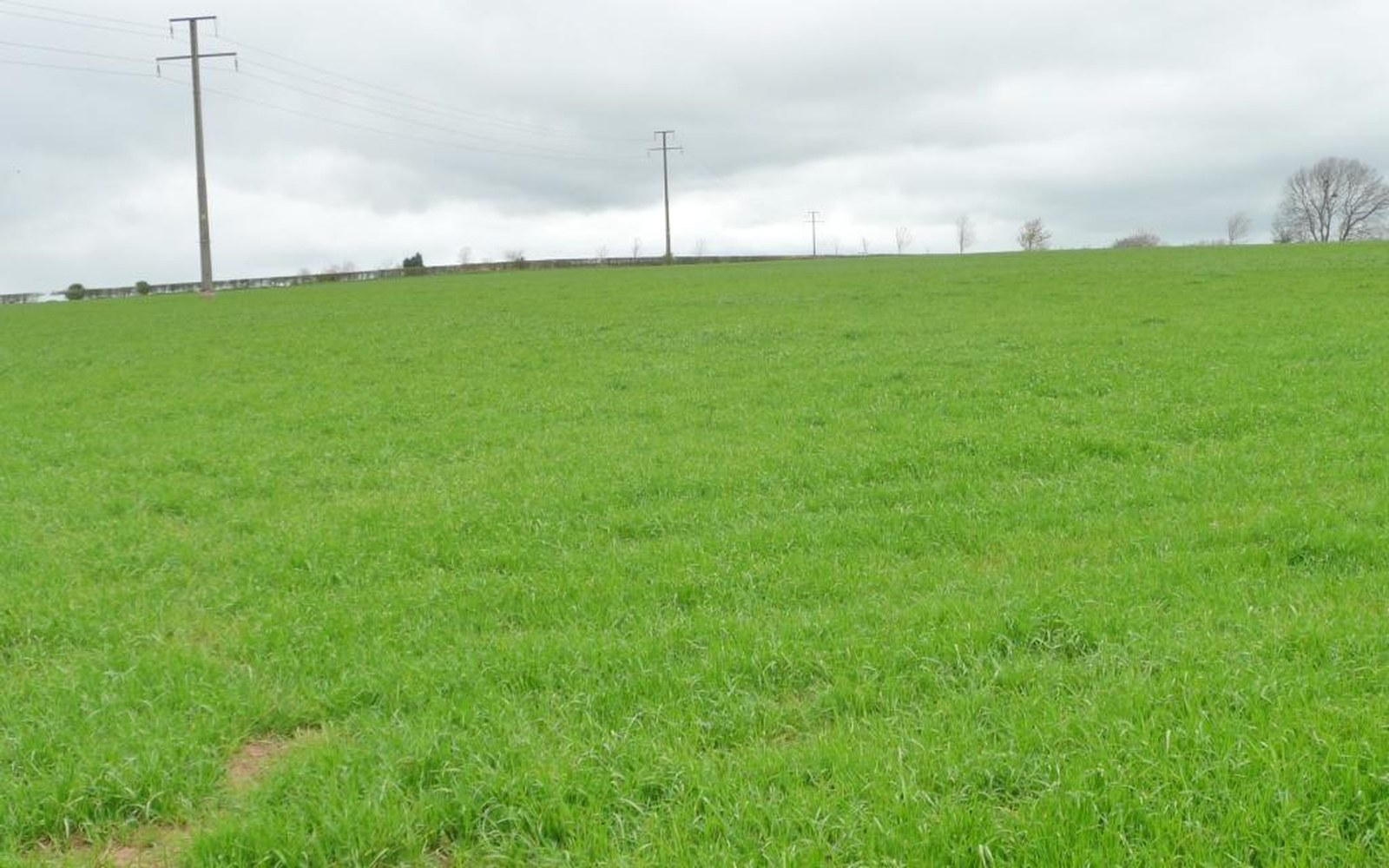
Electric cooperatives were chartered under the Rural Electrification Act of 1936 to serve territories investor-owned utilities had written off. By the time broadband became a utility question, roughly 900 distribution co-ops still served about 56 percent of the US land area, according to the National Rural Electric Cooperative Association. They already owned the poles. They already had the rights-of-way. They already had line crews who knew every road in the territory.
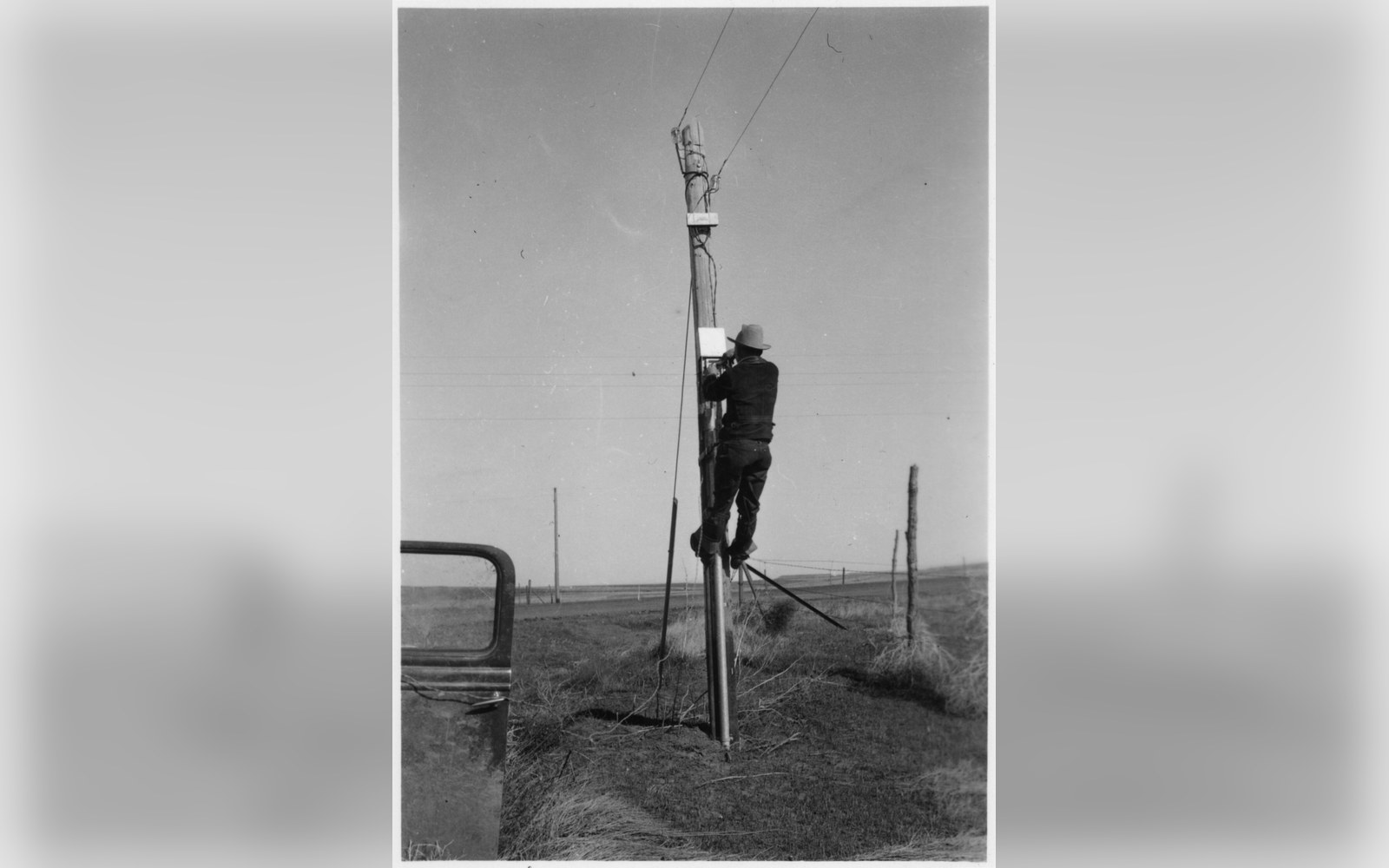
That asset base collapses the cost per home passed. A commercial operator entering a rural county must negotiate pole attachment agreements, file for easements, and sometimes build new access roads before a single strand of fiber is buried. A co-op skips most of that queue. The pole attachment fee, which can run several dollars per pole per year and slow a build's permitting phase by months, is paid to the co-op itself — or simply waived as an internal accounting matter.
Chronology
- 1936Rural Electrification Act creates the co-op model
- 2020 onwardAT&T and other carriers begin retiring copper in rural areas, increasing pressure on co-ops to fill gaps
- 2021BEAD program authorized under the Infrastructure Investment and Jobs Act; electric co-ops named as eligible subgrantees
The model has worked in practice. Co-ops such as Rural Electric in Tennessee and BARC Electric in Virginia's Highland County have deployed fiber to members who had previously subsisted on DSL or fixed wireless, in some cases with headline speeds that the underlying copper never approached. BARC's territory sits in one of the most difficult terrains in the Appalachians, where cost-per-passing figures that would kill a commercial business case are still viable because the rights-of-way and poles are sunk costs that were written off decades ago.
| Rural Electrification Act (1936) | the founding authority for electric cooperatives; explains why they hold the pole and easement assets commercial ISPs must pay to access |
| Pole attachment fee | a per-pole annual charge ISPs pay to utilities; co-ops often eliminate or internalize this cost, which meaningfully changes build economics |
| BEAD (Broadband Equity, Access, and Deployment) | NTIA grant program treating electric co-ops as preferred rural deployers because their infrastructure lowers cost per passing |
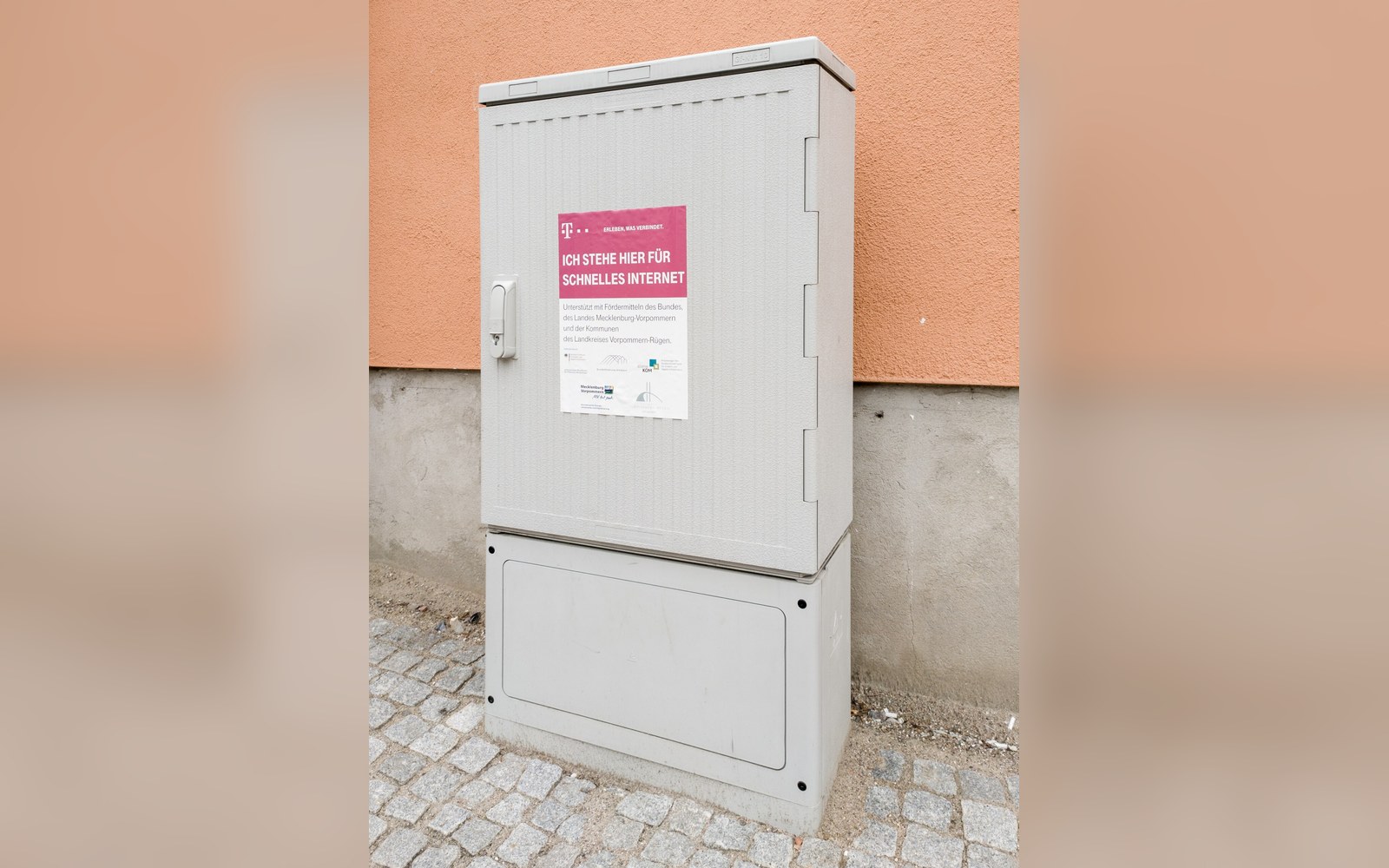
The constraint is capital, not permission. Fiber construction still requires front-loaded spending, and co-ops are member-owned nonprofits running on thin margins. NTIA's BEAD program — Broadband Equity, Access, and Deployment — specifically identifies electric co-ops as eligible subgrantees, recognizing that their existing infrastructure makes them among the most efficient deployers in unserved rural territory. The poles were already there. The network just had to follow.